
The complete guide
How to Choose an Air Purifier for Your Home
Air purifiers all promise cleaner air, but the models on this page differ in real, measurable ways: how much air they can process, what grade of filter they use, how loud they run, and whether they think for themselves or need a hand. This guide covers what to actually check before you buy, rather than which badge looks most impressive on the box.
Start with the room, not the purifier
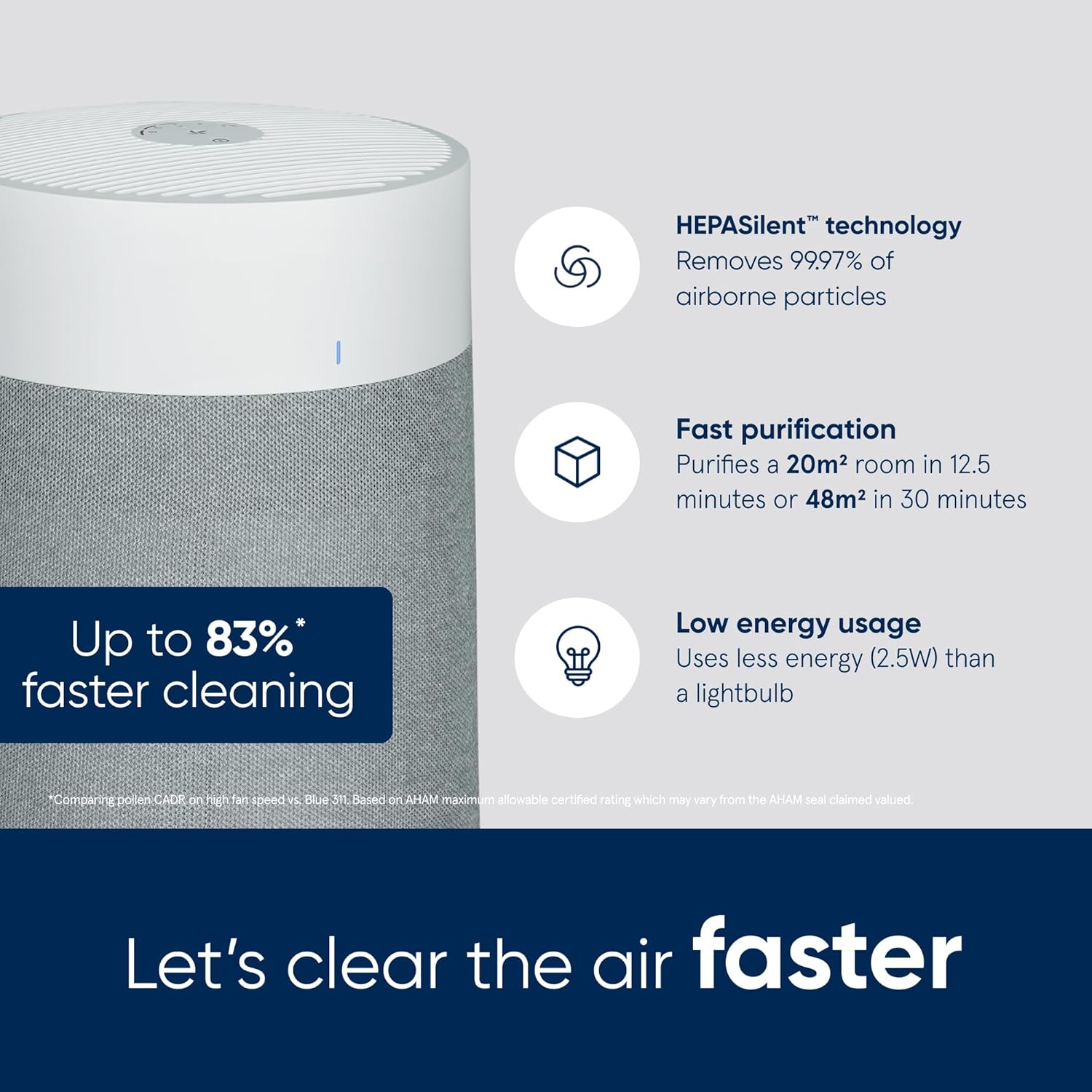
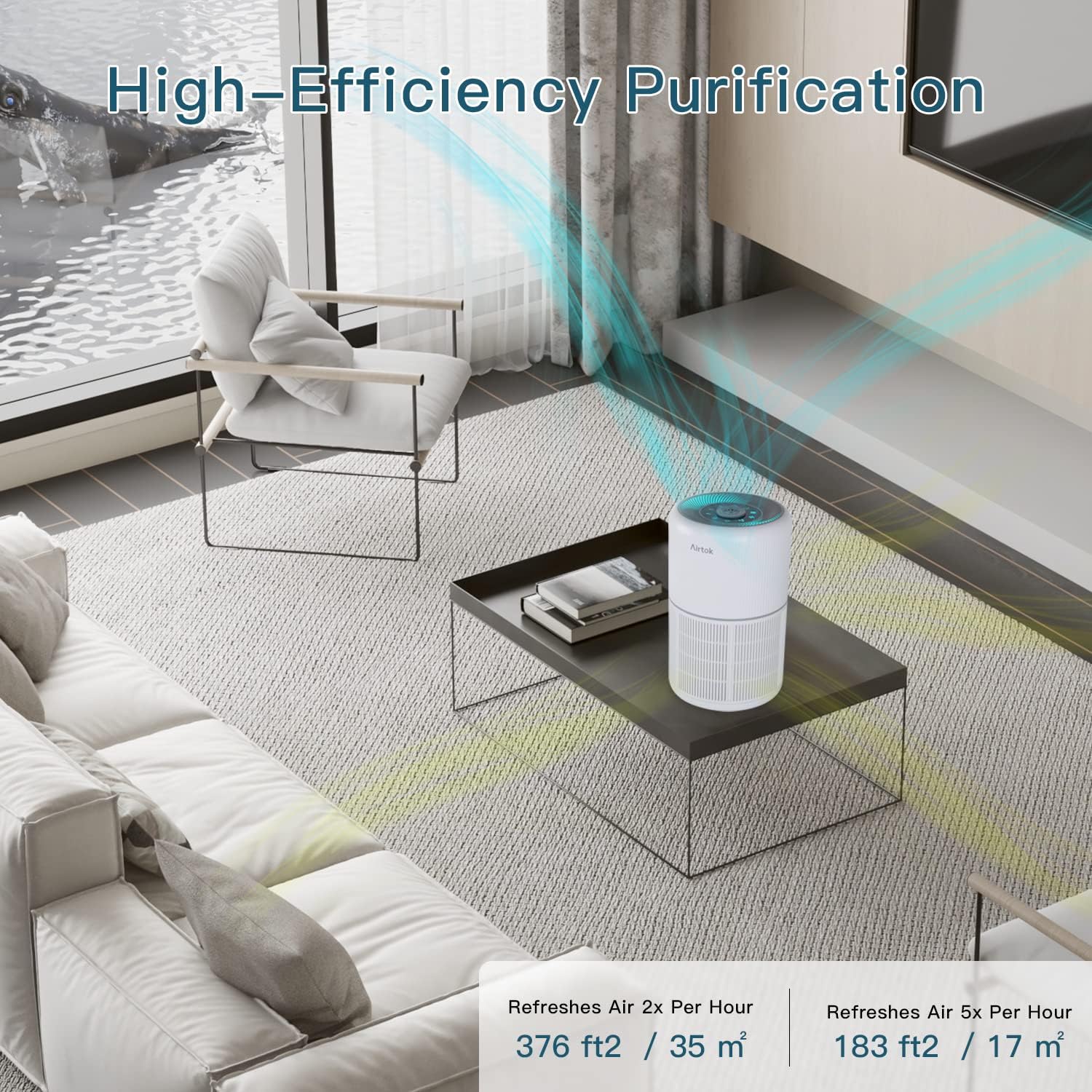
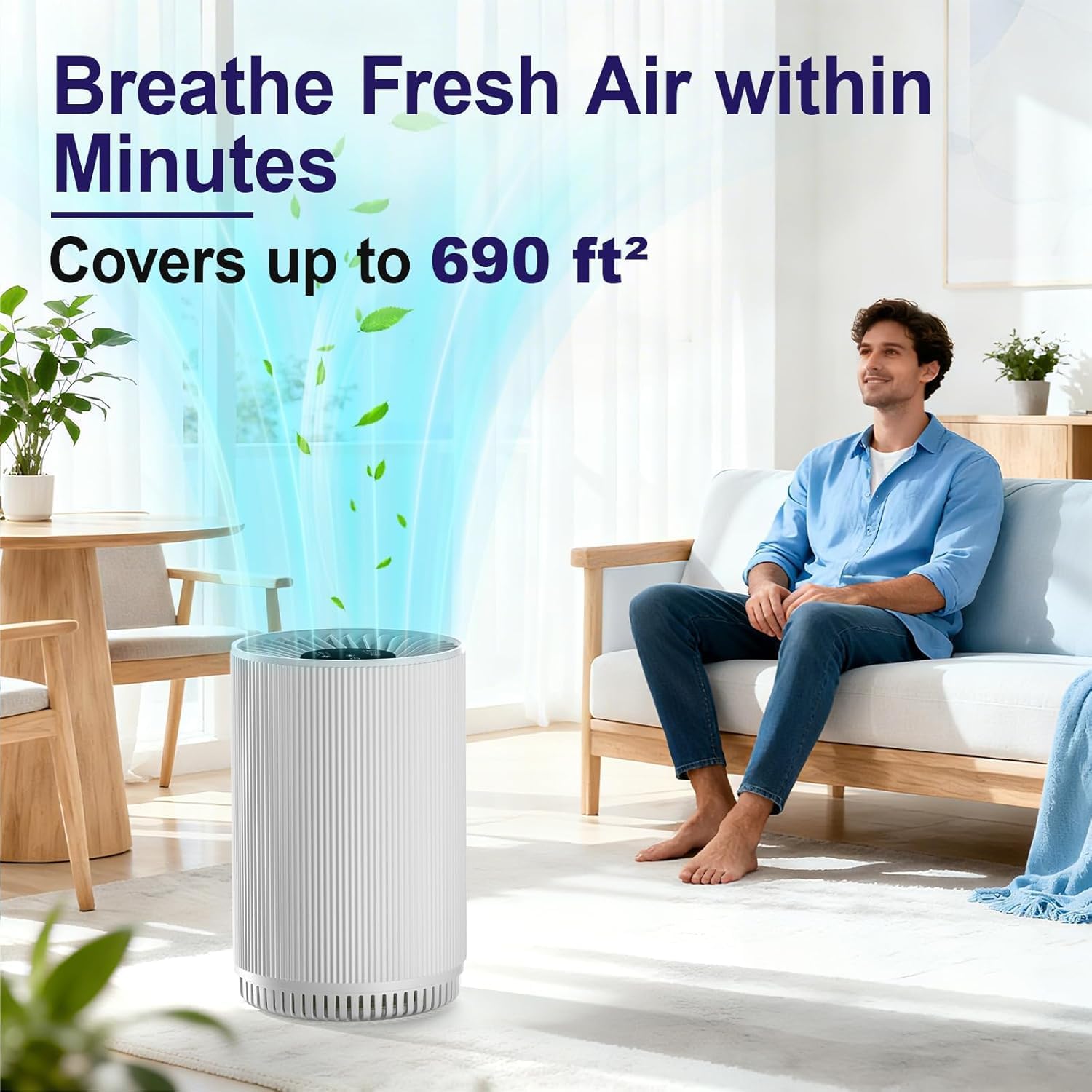
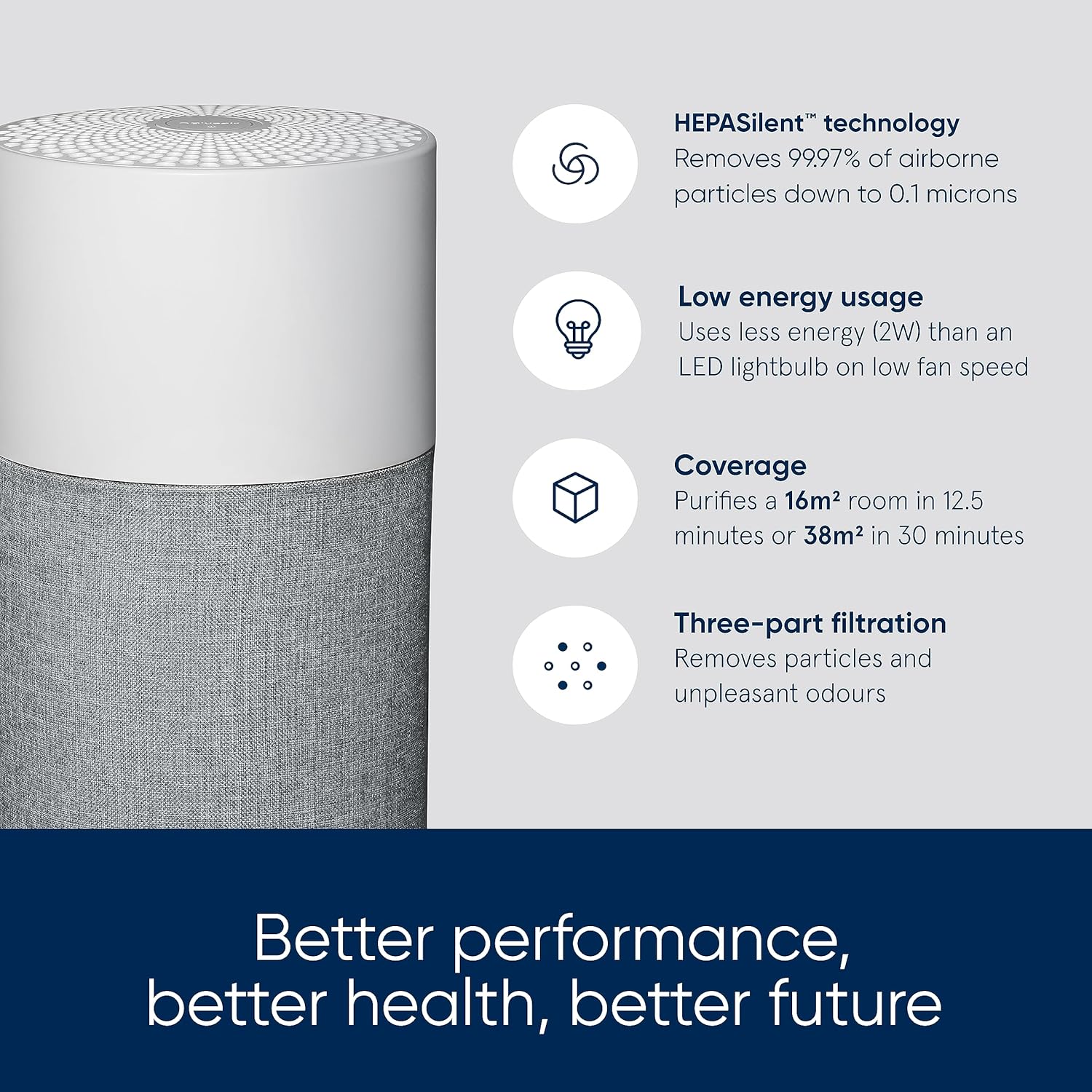
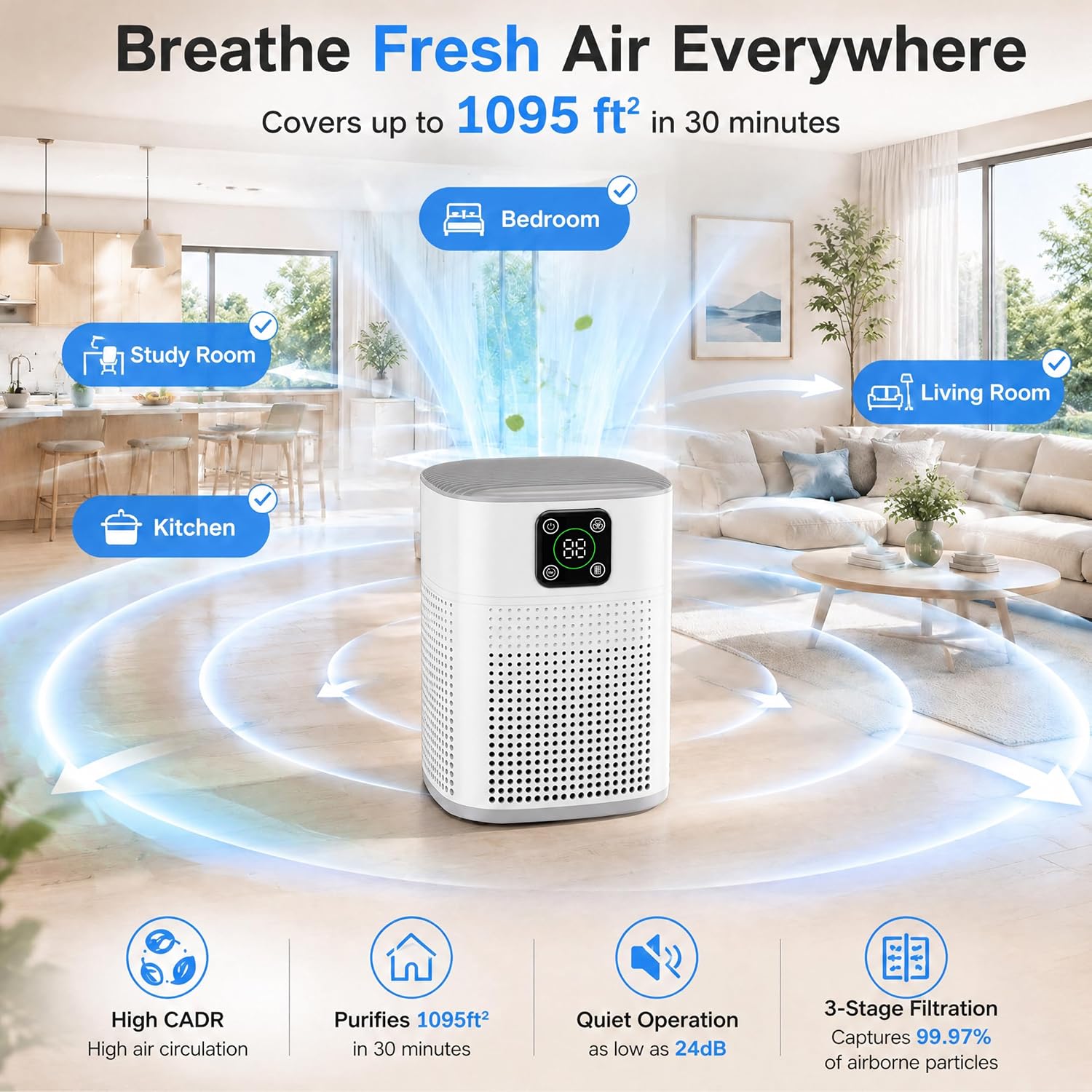
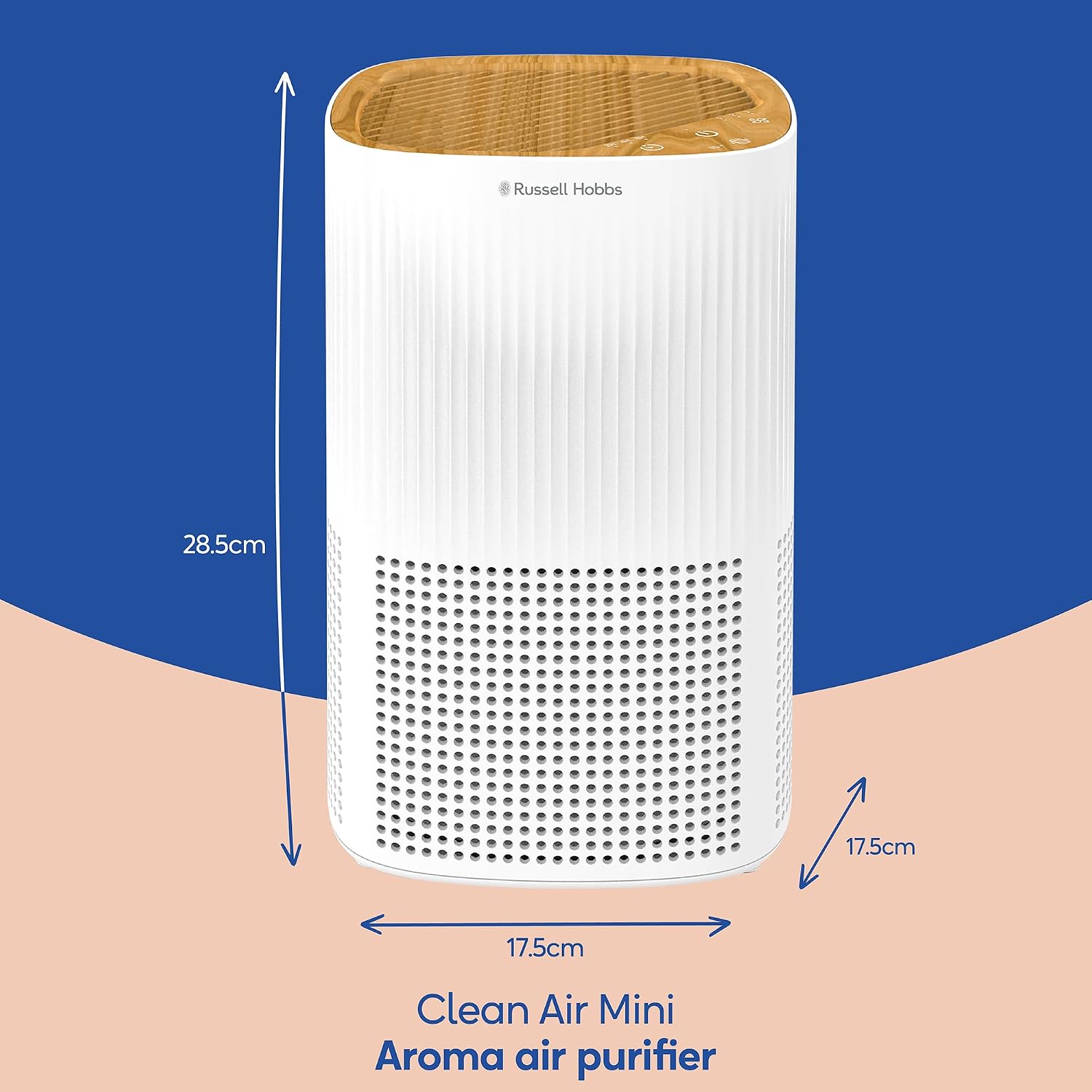
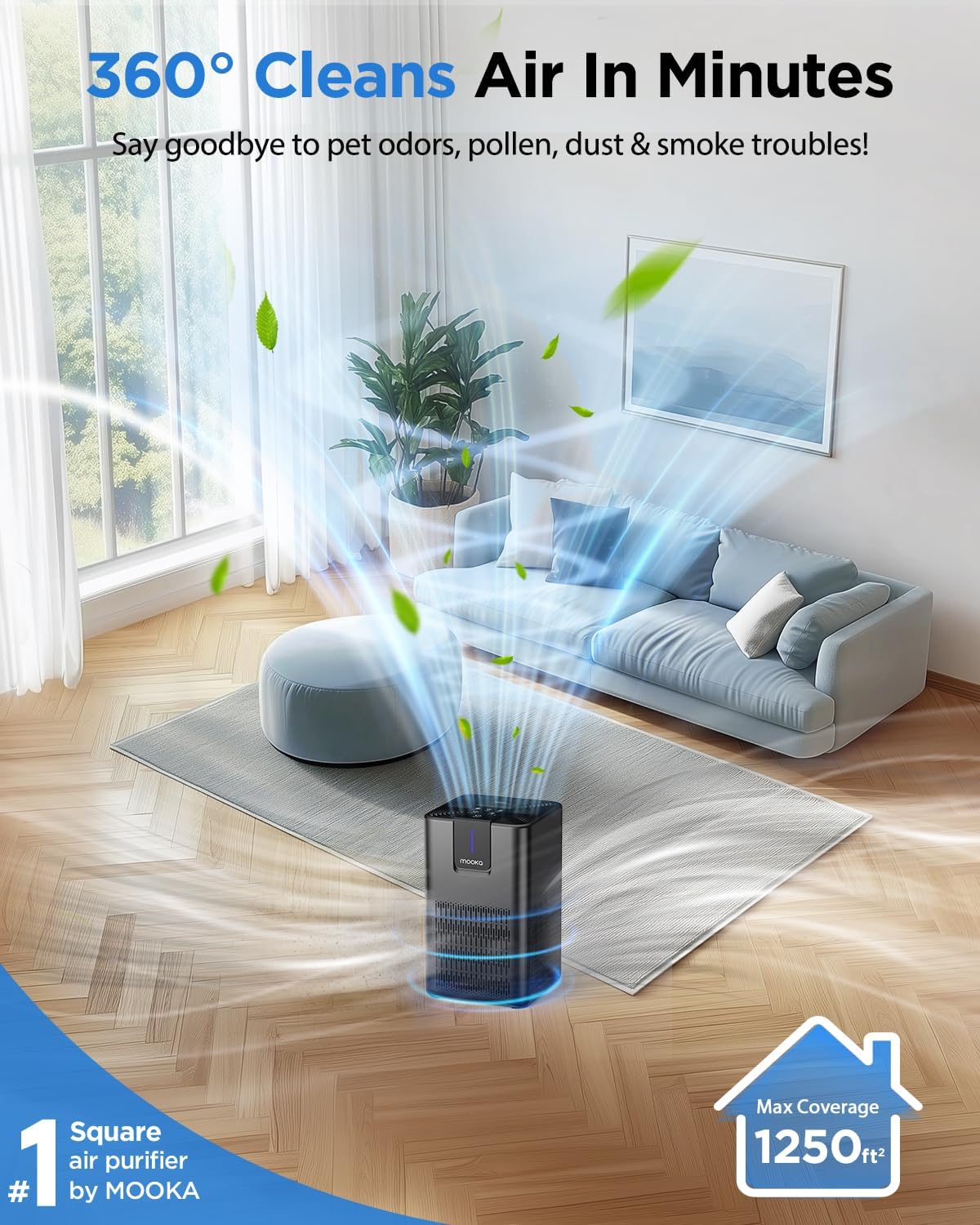
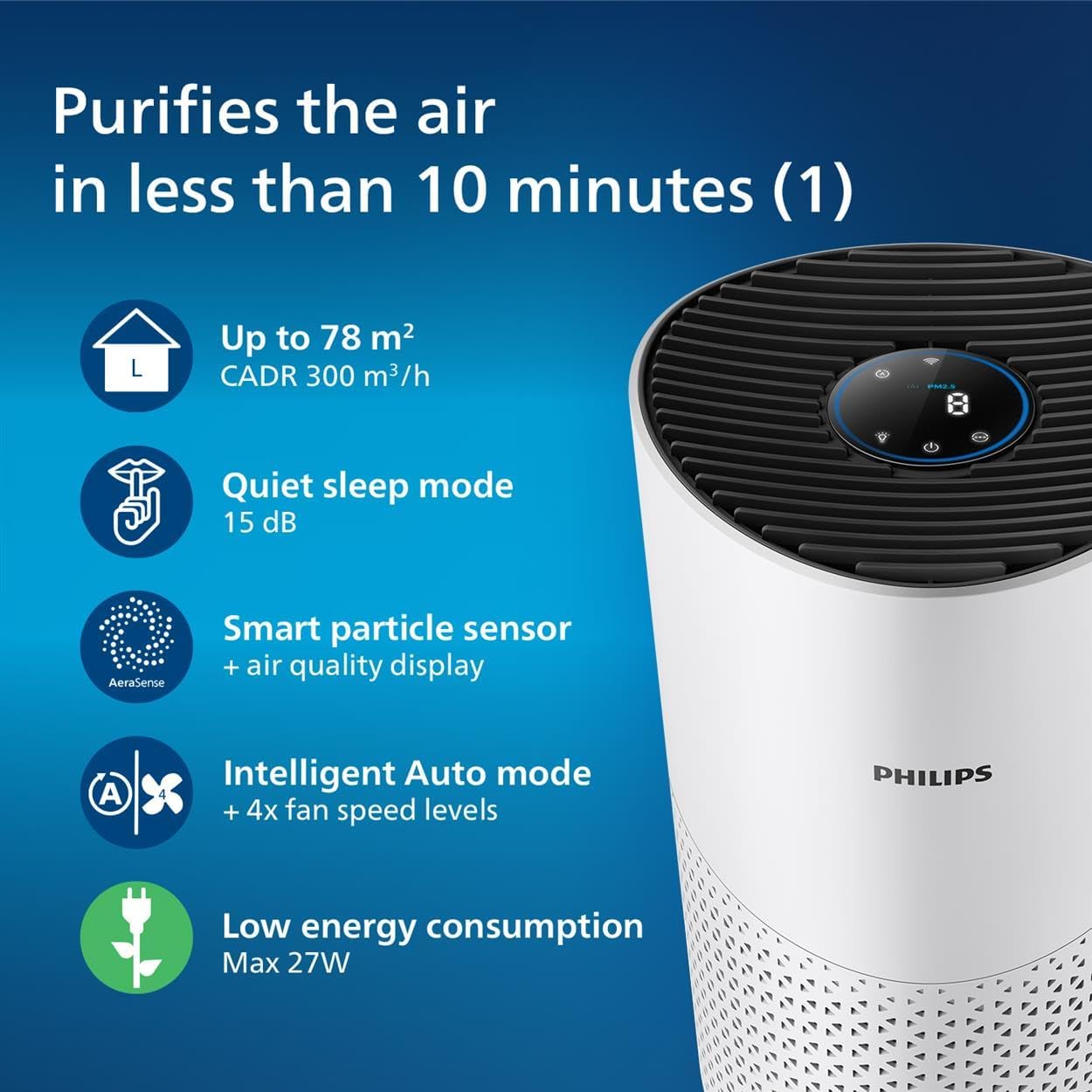
Every model on this site lists a stated coverage area from the manufacturer, usually in square metres or square feet. Measure the room you want cleaner air in and compare it against that figure. Buying a unit rated for a larger room than you actually have is not wasteful: a purifier sized up for the space can clean the air faster and then idle on a low, quiet setting, instead of a smaller unit working flat out just to keep up.
HEPA, and what H13 actually adds
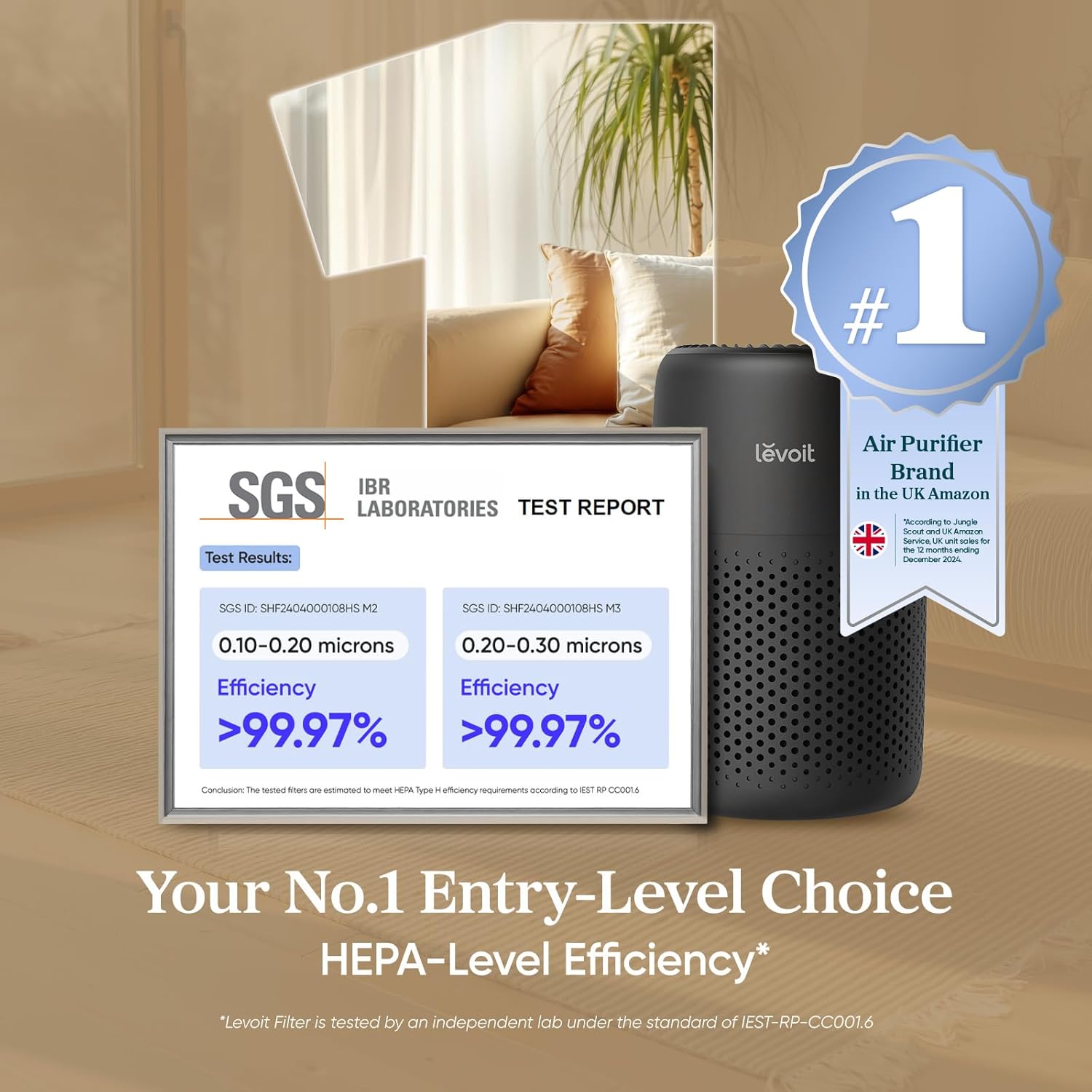
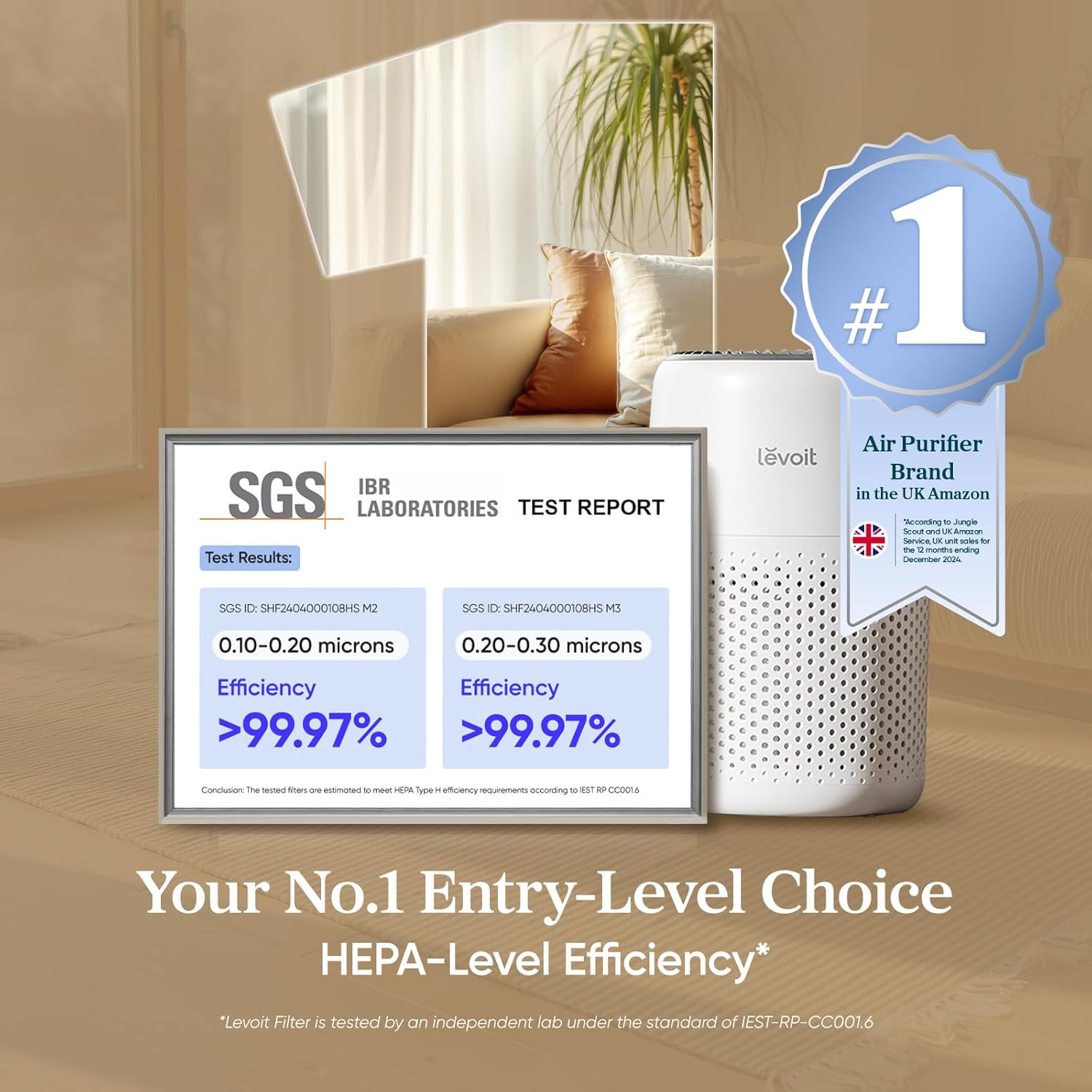
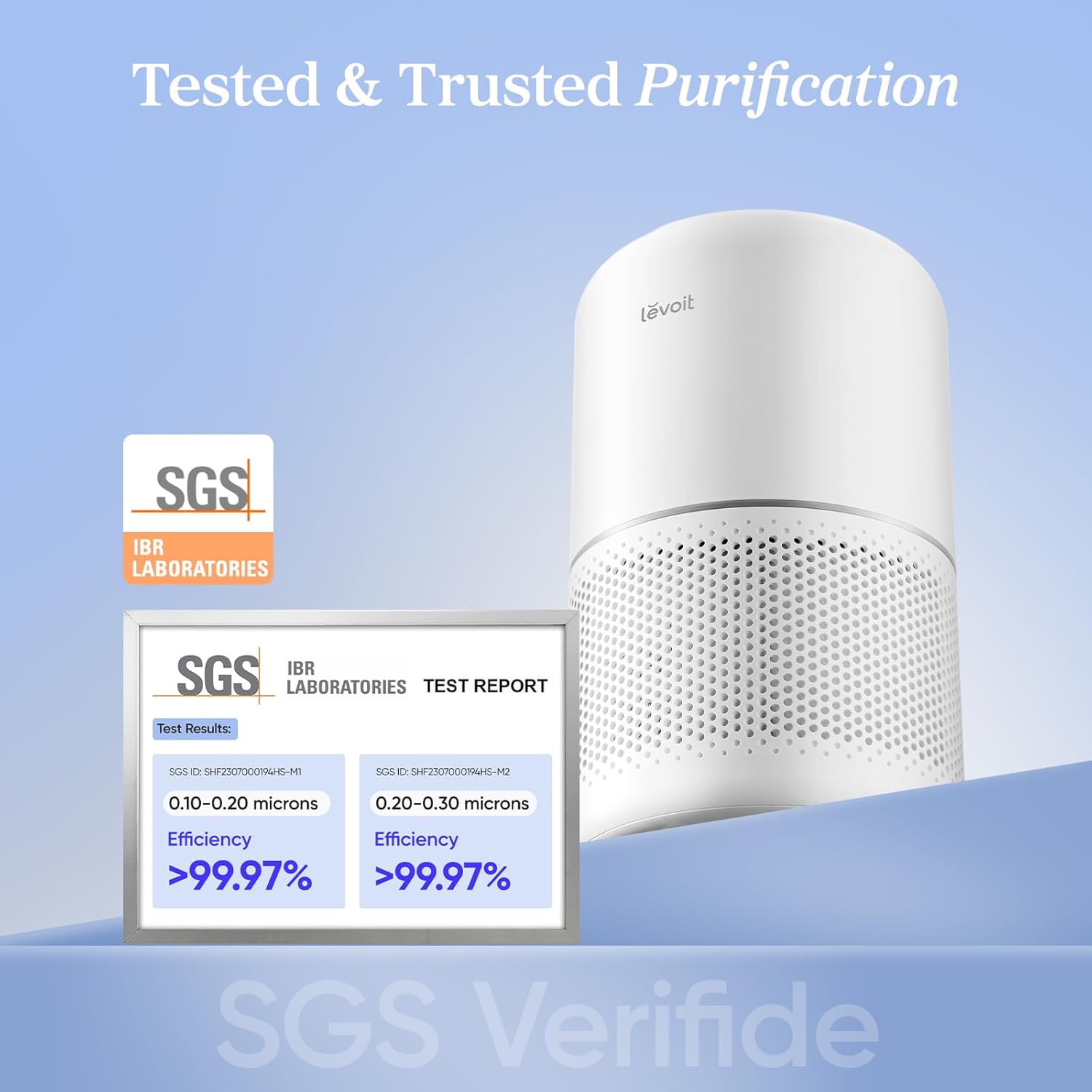
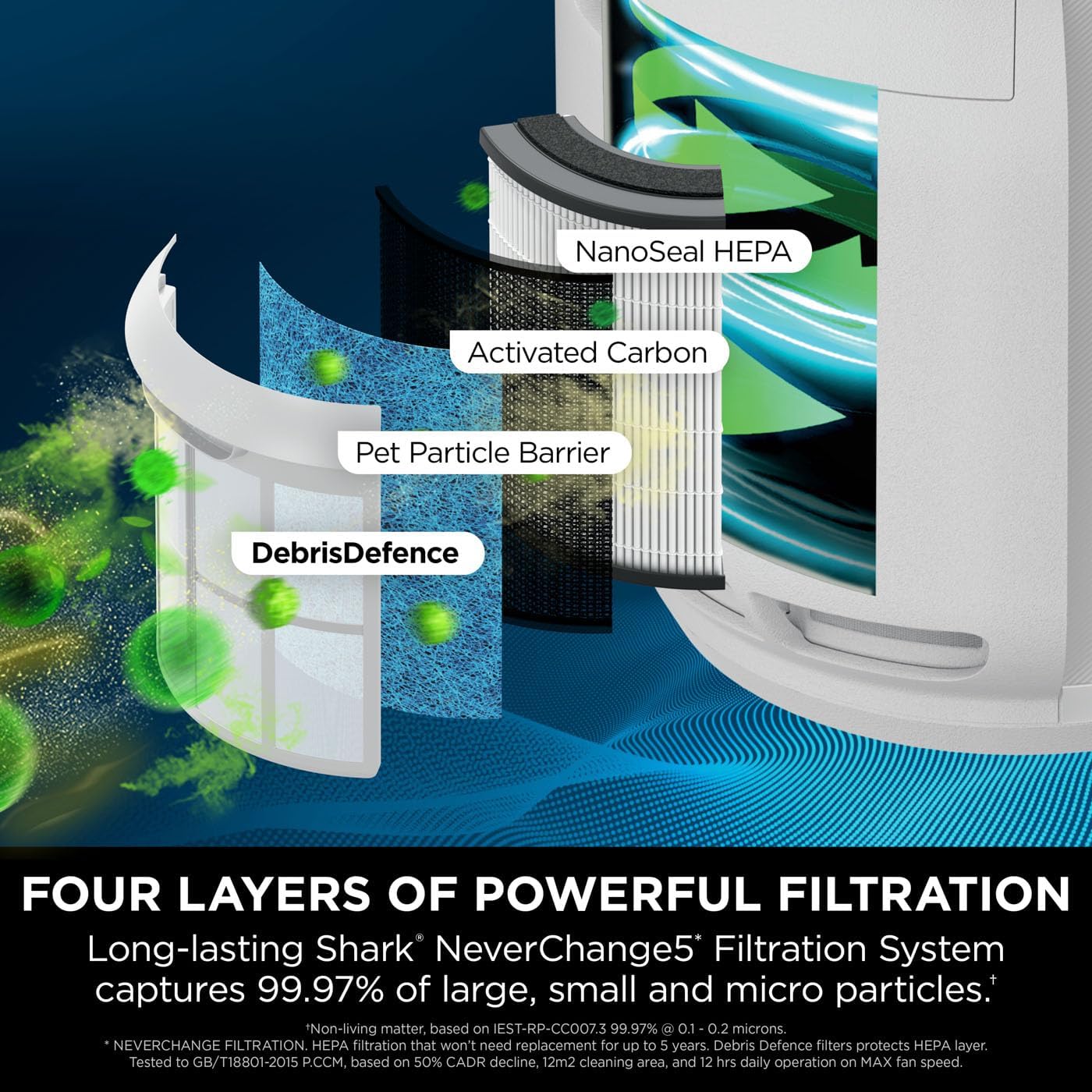
HEPA is a filtration standard, not a marketing word, and it generally means the filter captures a very high percentage of fine particles, commonly stated as 99.97% down to 0.3 microns. Some of the purifiers here specify H13 HEPA, a defined EN 1822 grade that sits at the more efficient end of the HEPA range. Where a listing states this grade, we show it on the product page; if it does not, we simply say HEPA rather than guess at a grade the manufacturer has not confirmed.
Filters, carbon, and running costs
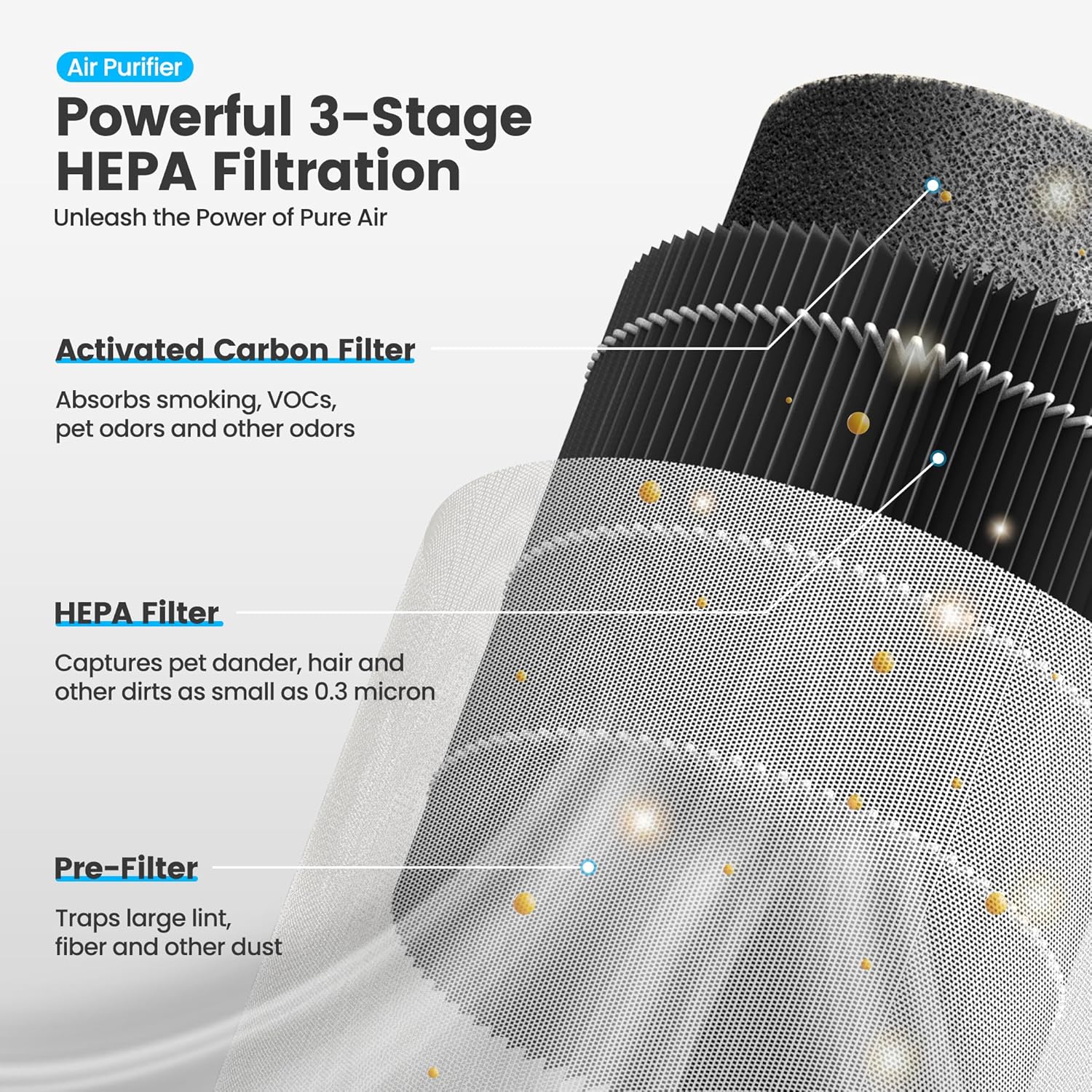
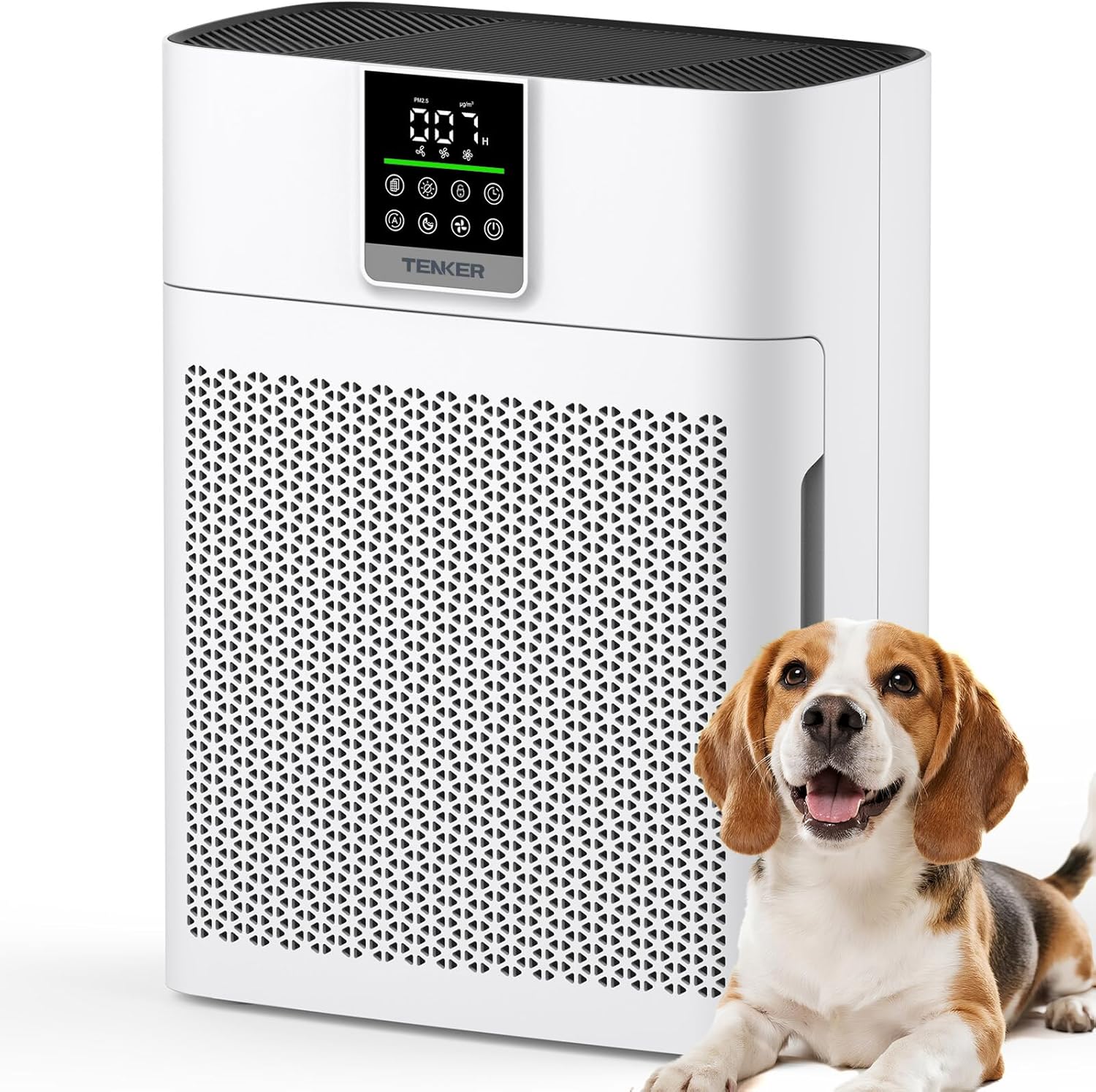
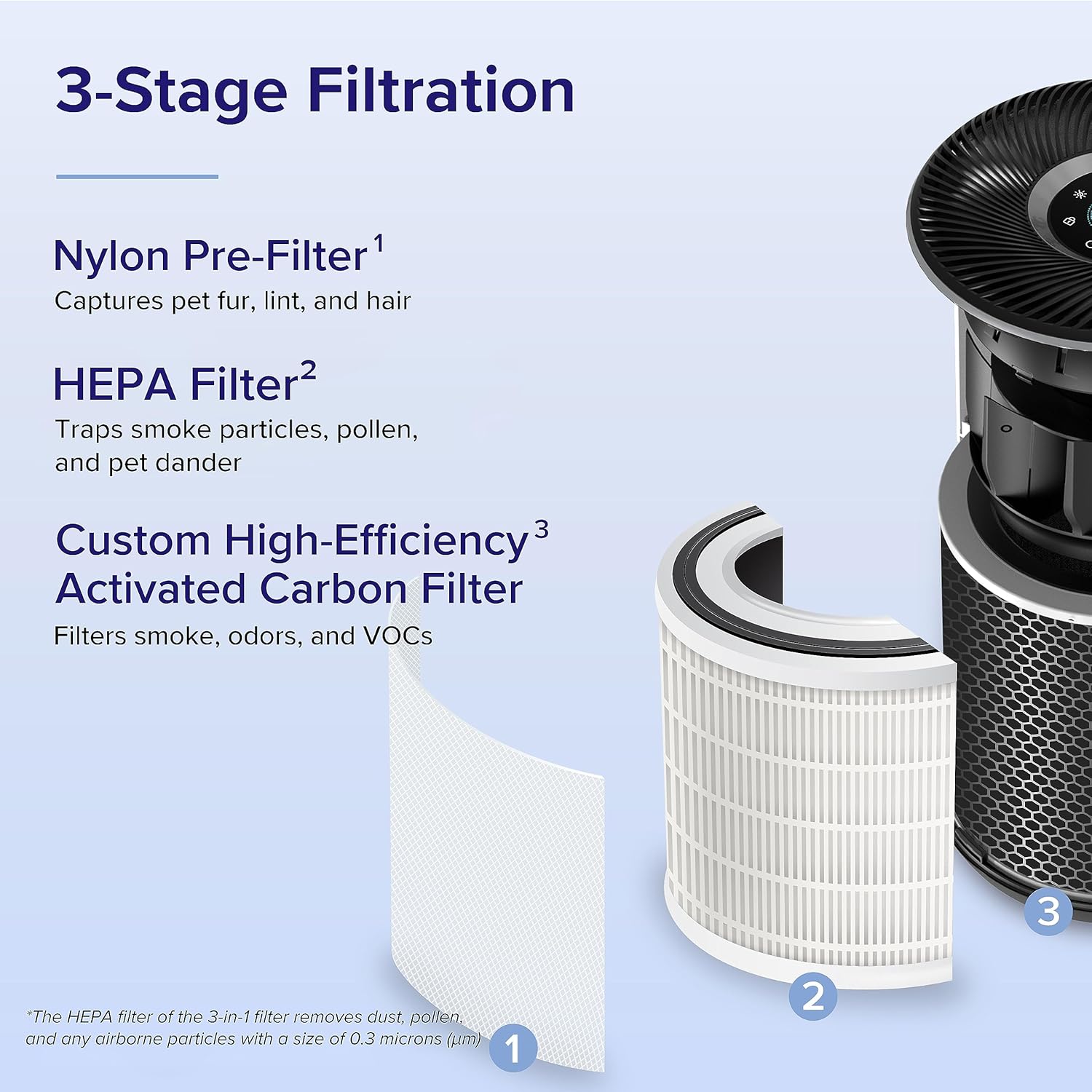
Most purifiers combine a HEPA filter for particles with an activated carbon layer for odours, from cooking, pets or smoke. Filters are a consumable: they need replacing or, on some models, washing, and how often depends on the model and how much it runs. This is real running cost that does not show up in the sticker price, so where a manufacturer states filter life or replacement guidance, check the specific product page for it before you commit to a model.
Noise, and where the purifier will actually live
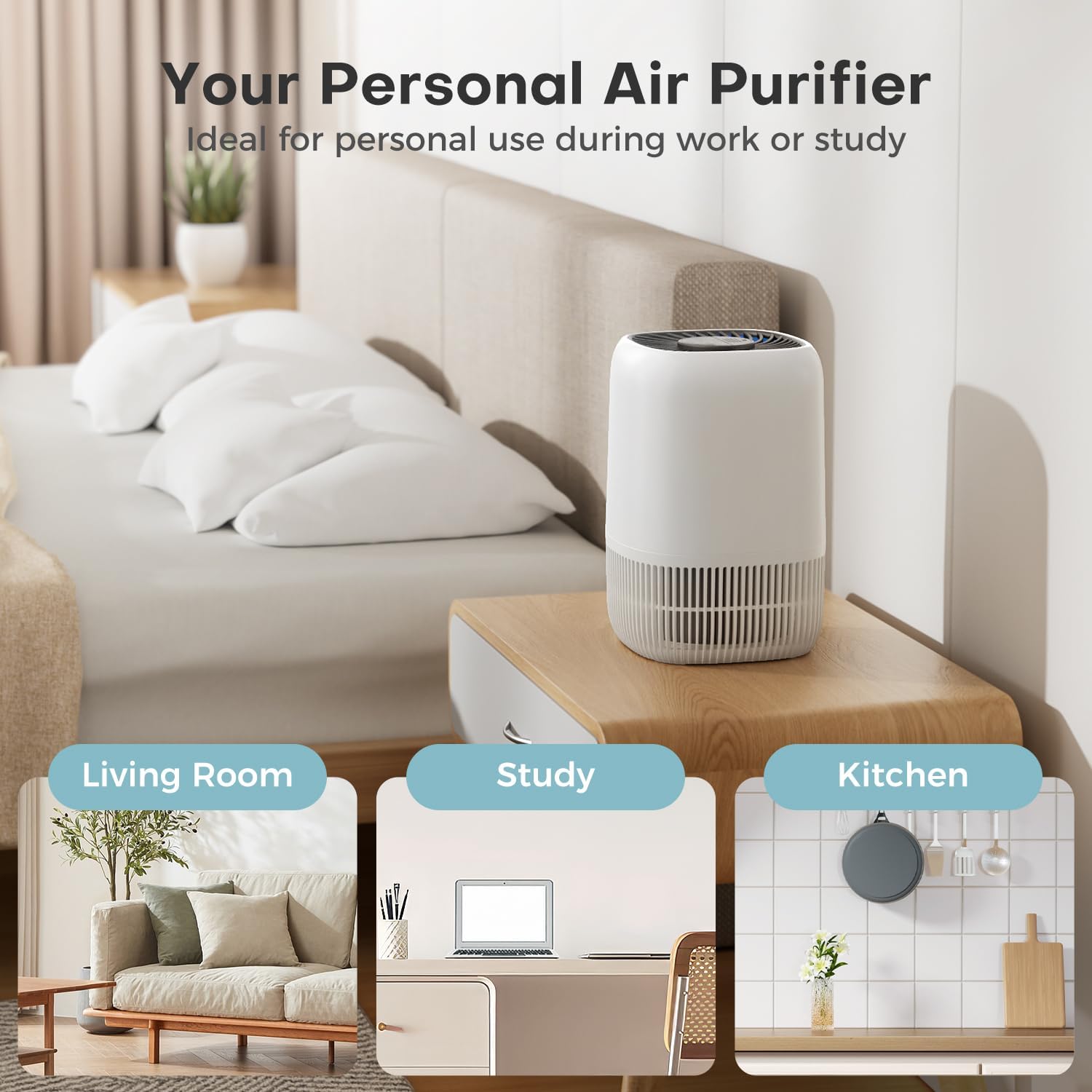
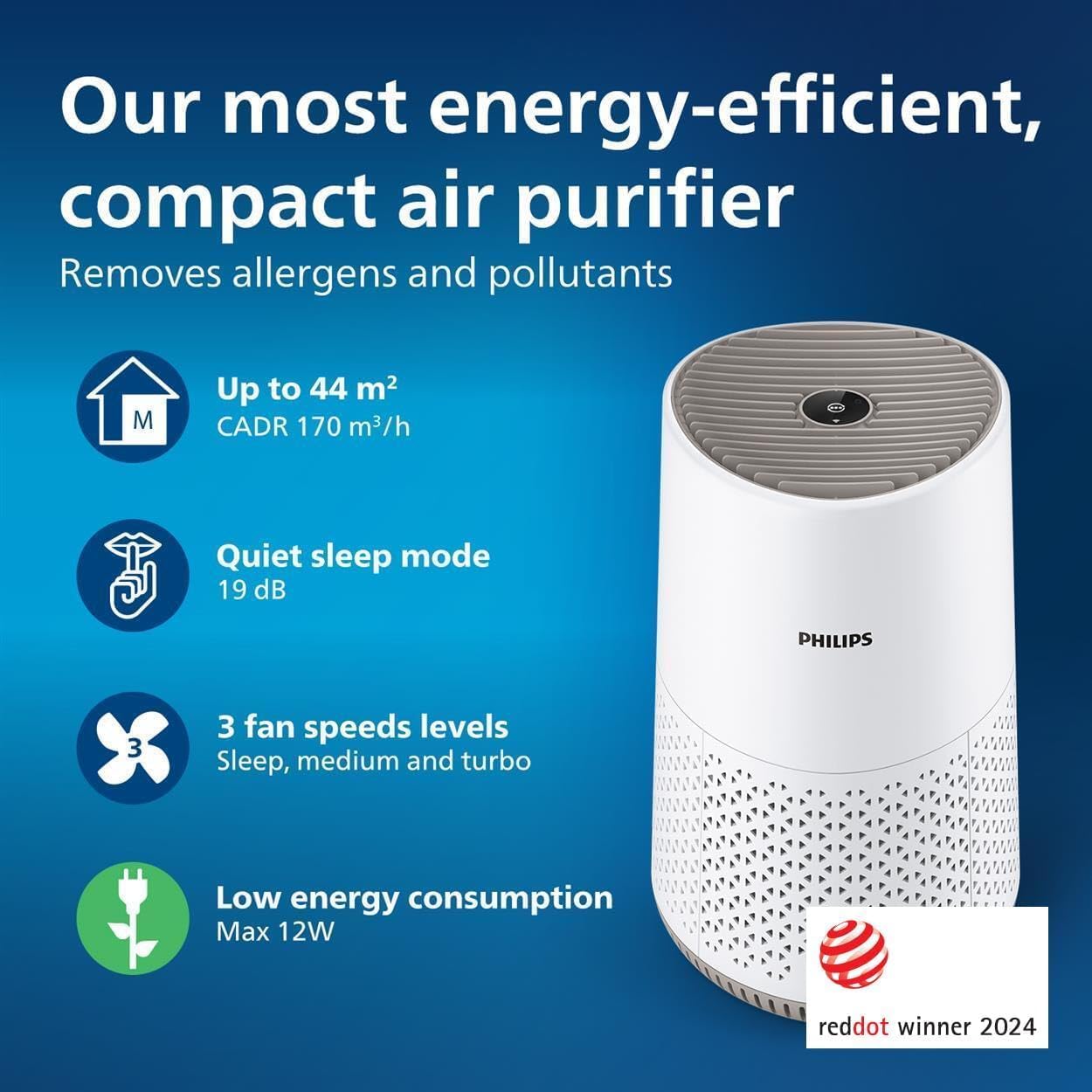
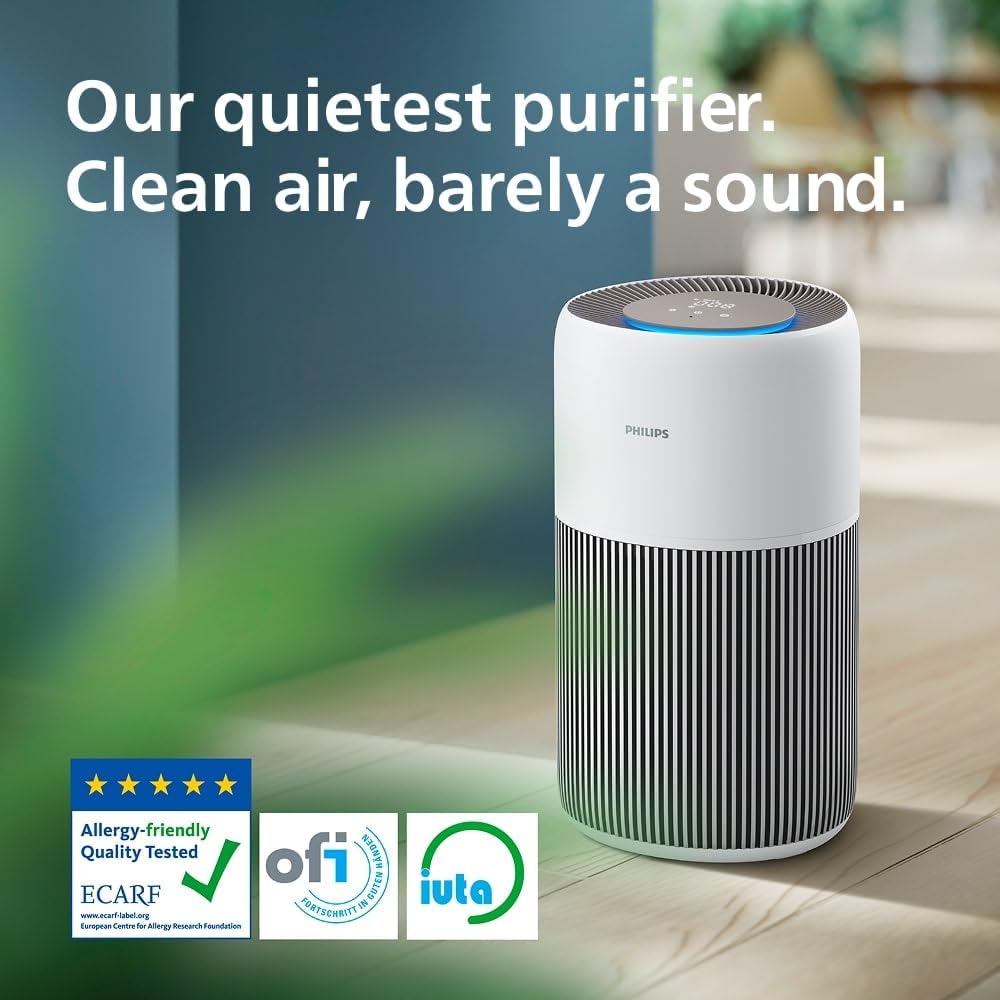
A purifier that is too loud on the speed you need ends up switched off, which defeats the purpose. Bedroom-oriented models tend to specify their lowest-speed decibel rating so you can judge night-time noise before buying. If it is going in a bedroom or nursery, prioritise a documented low-speed rating over headline coverage figures; if it is for a living room where it will often run on a higher speed to keep up with a bigger space, noise at that speed matters more.
Smart features: useful, not essential
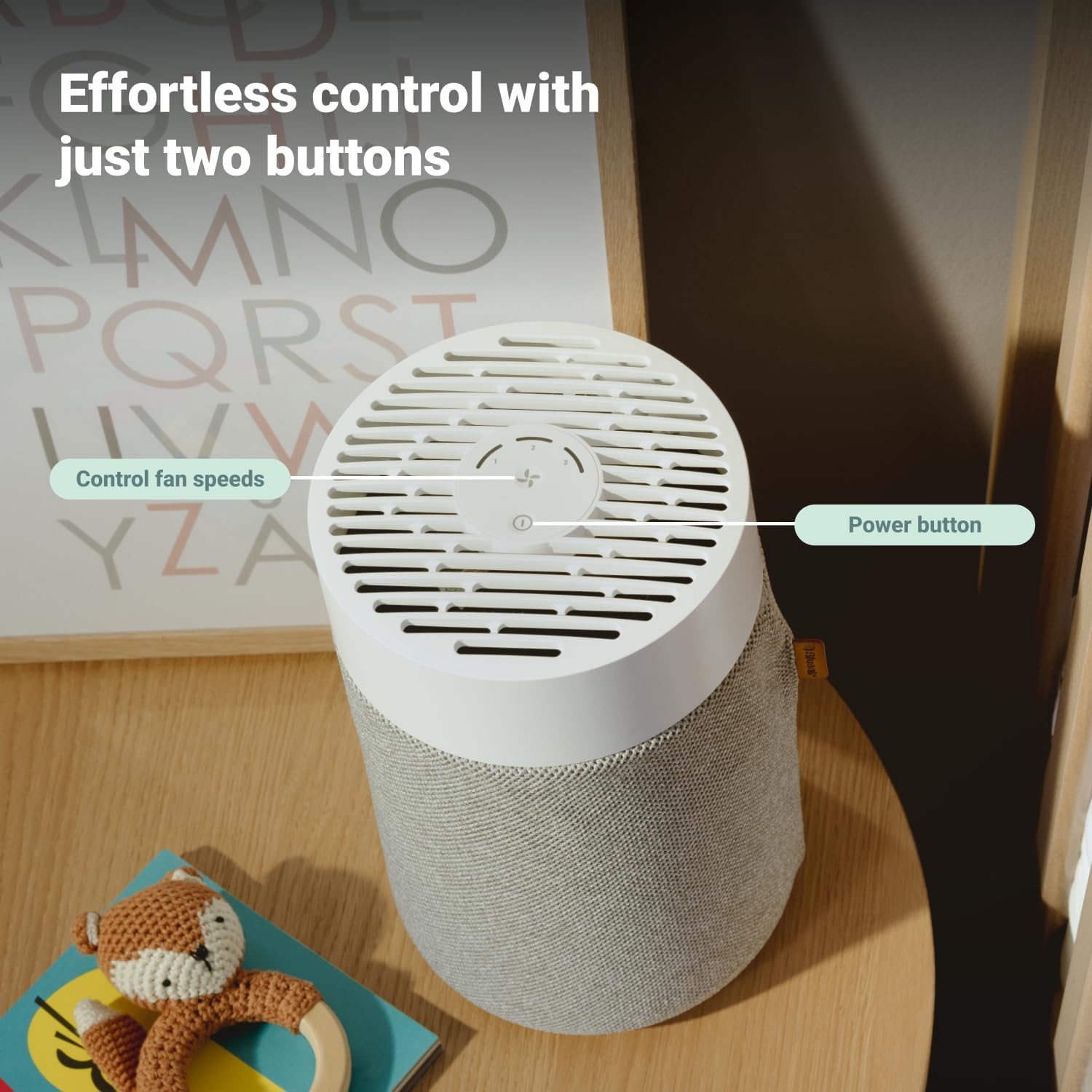
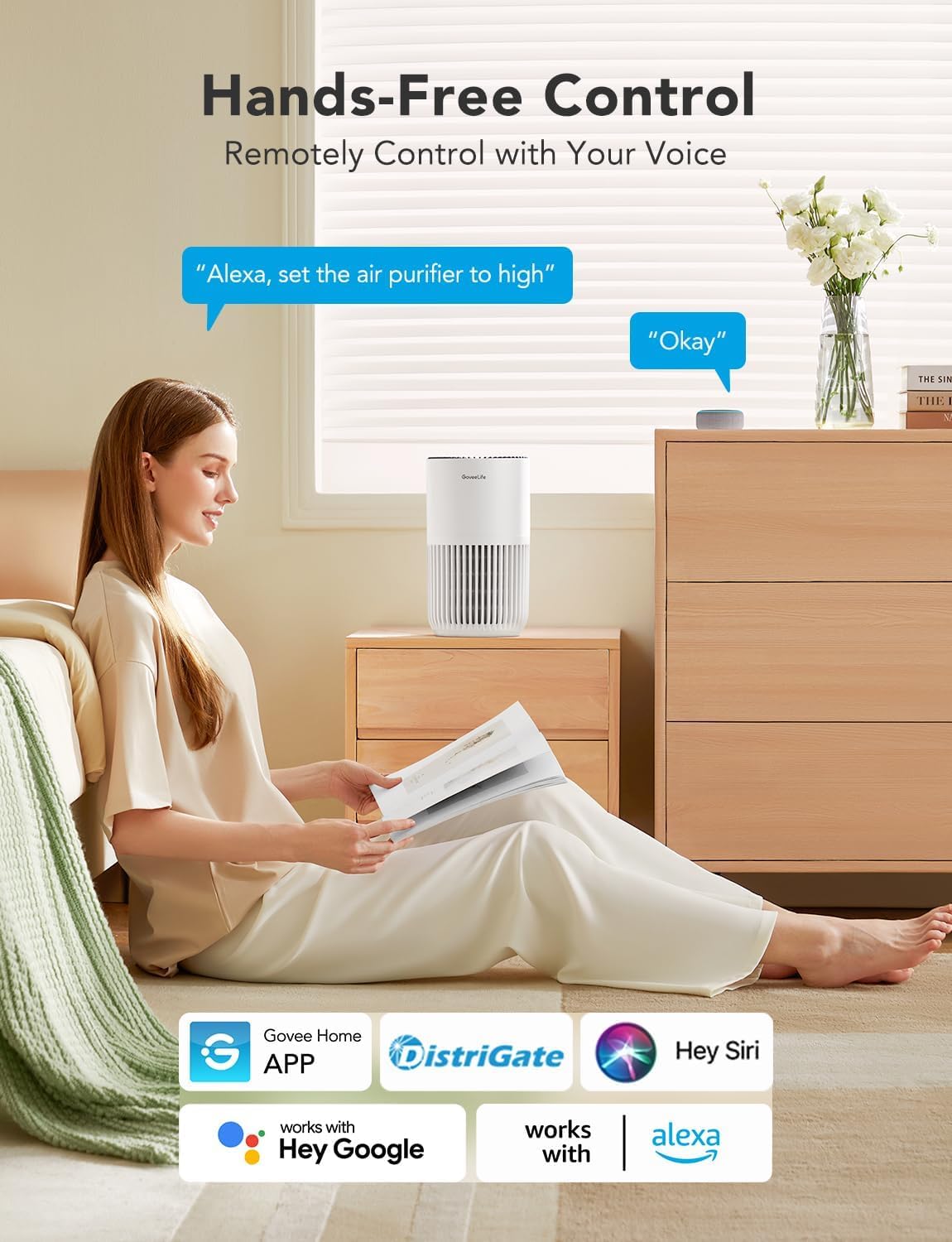
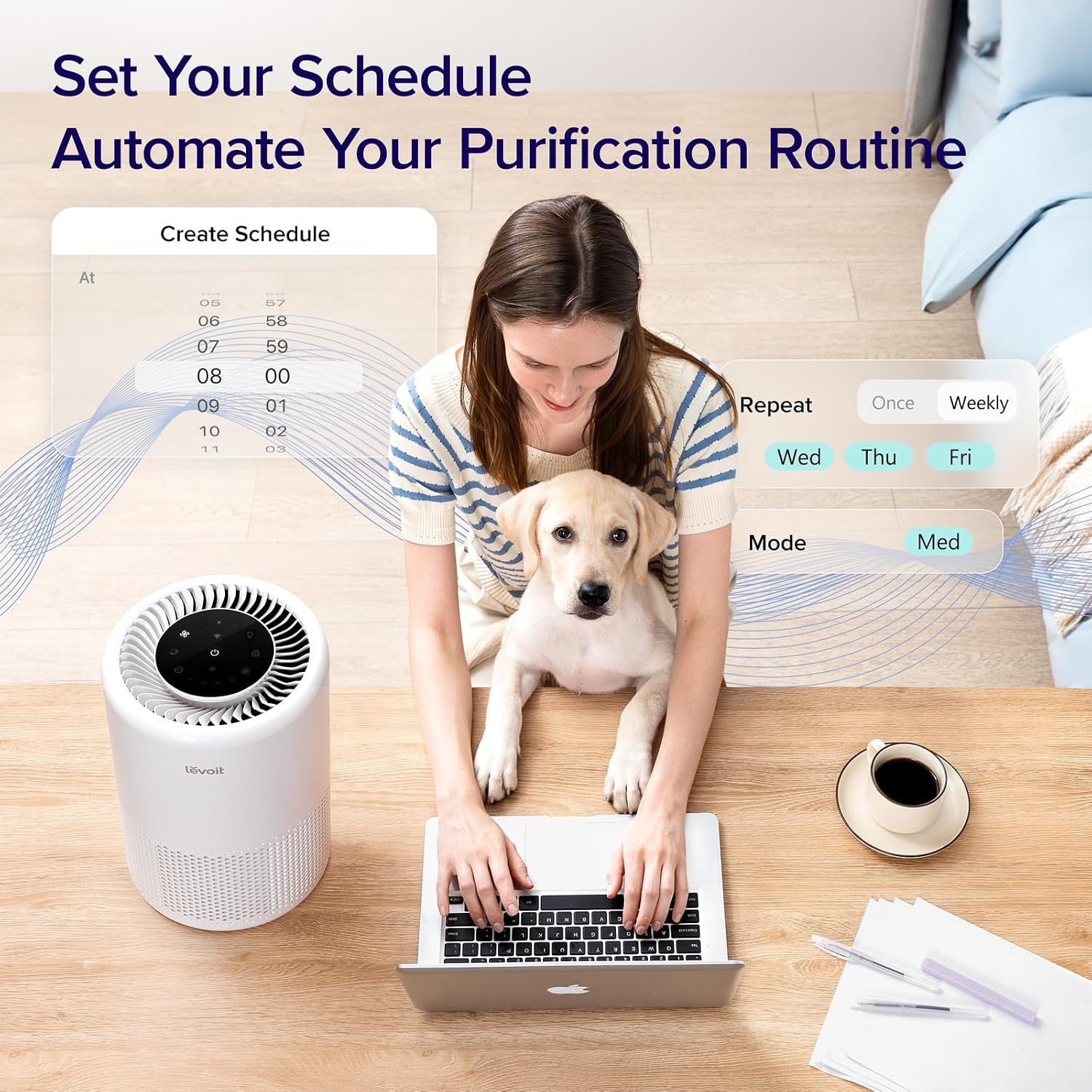
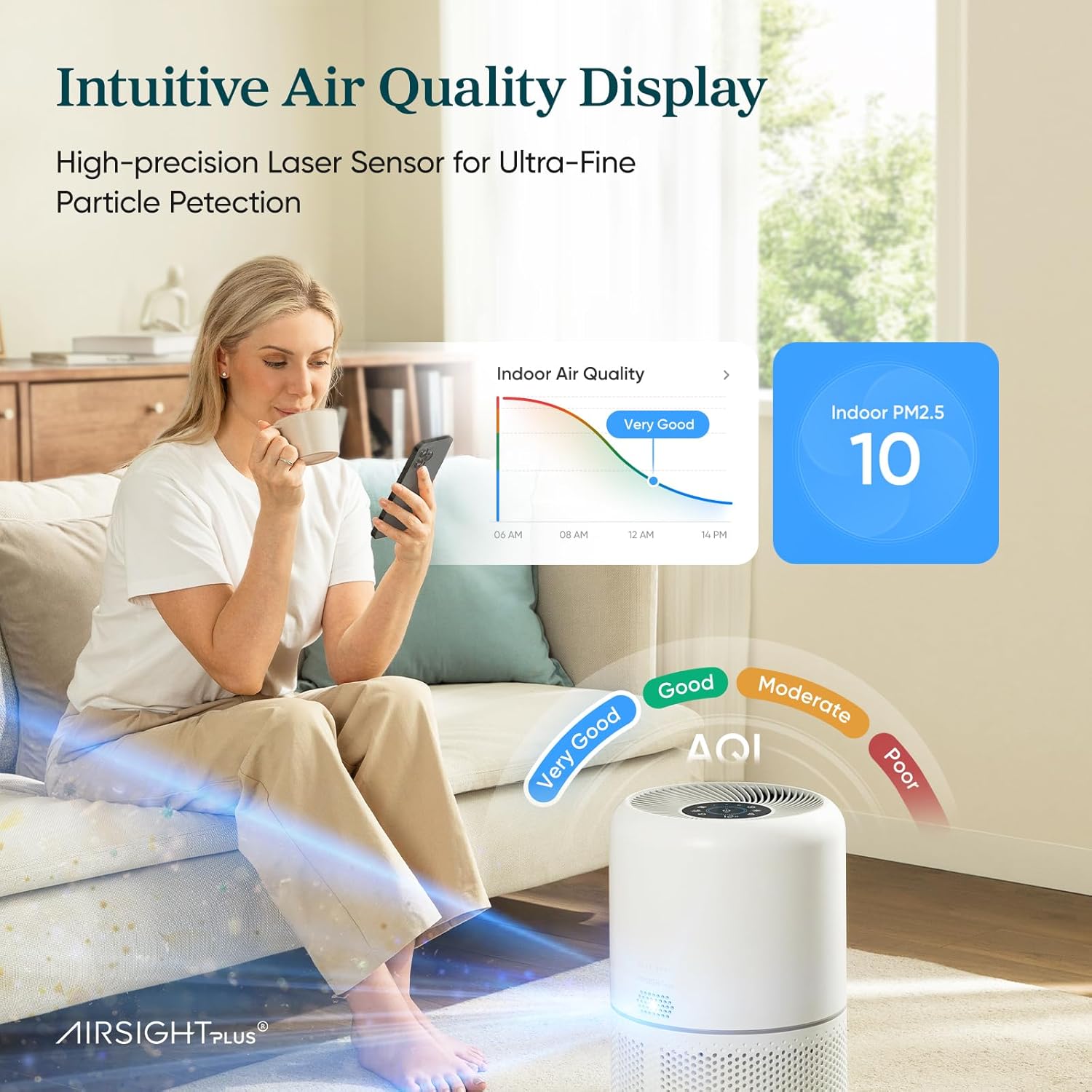
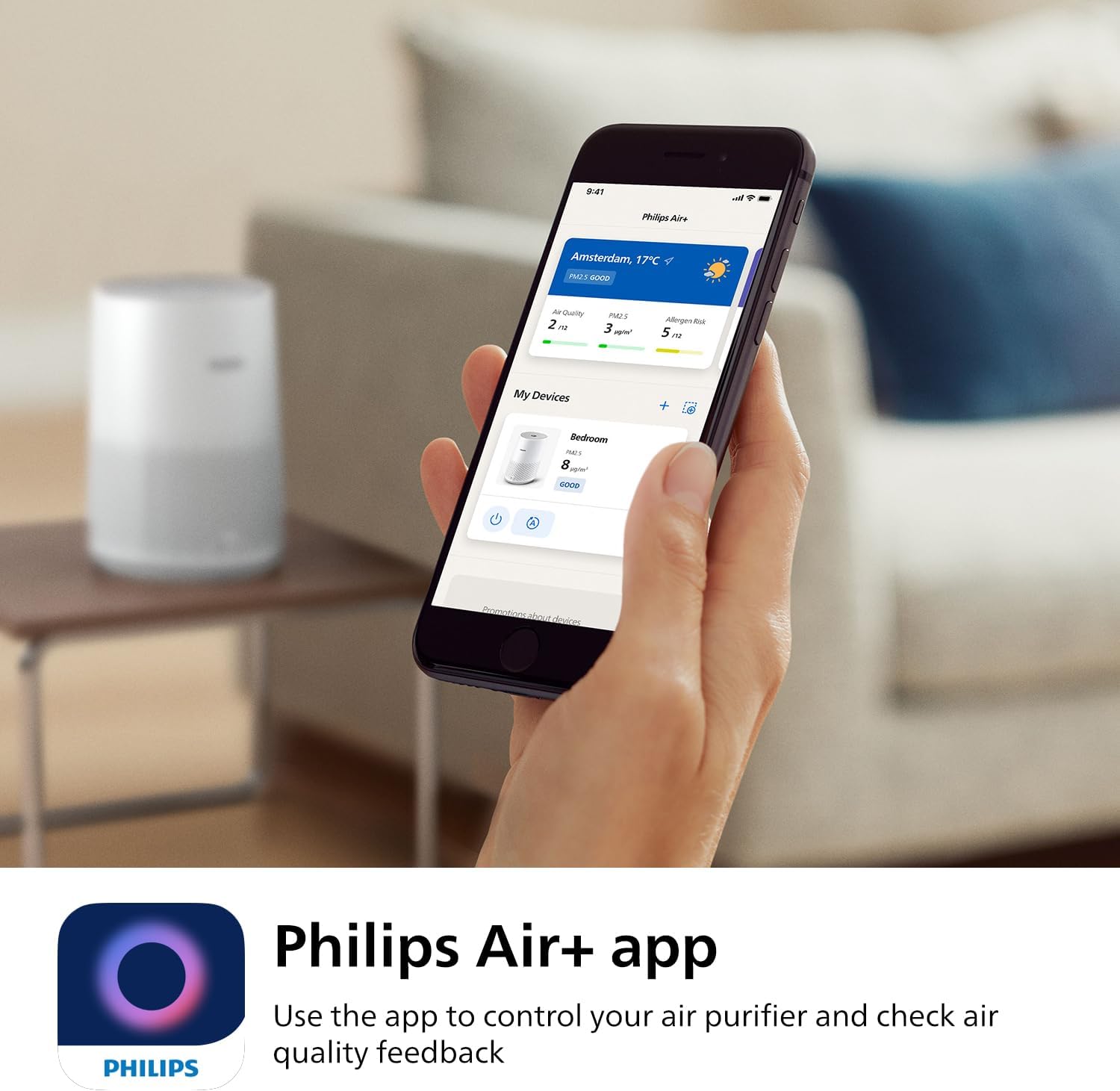
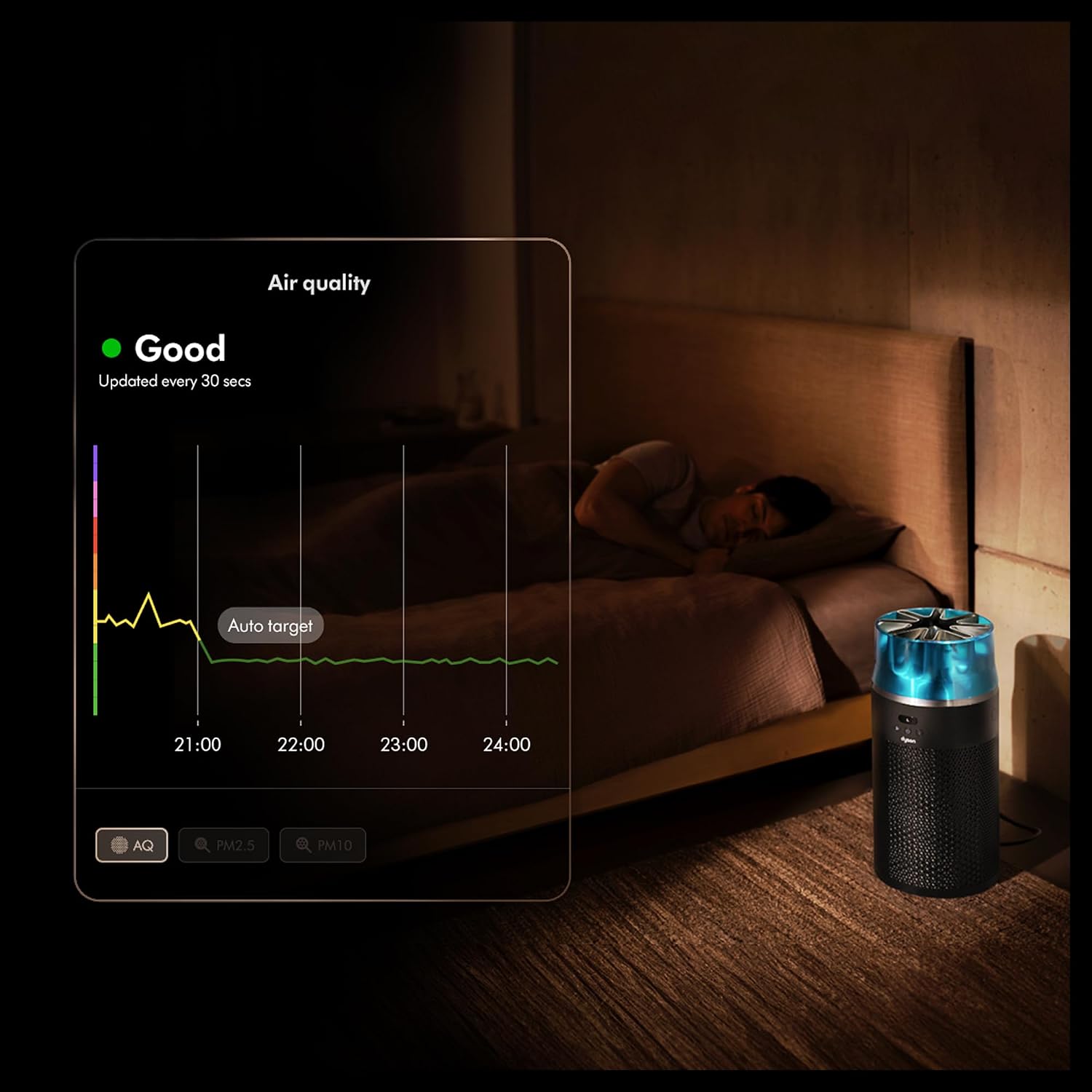
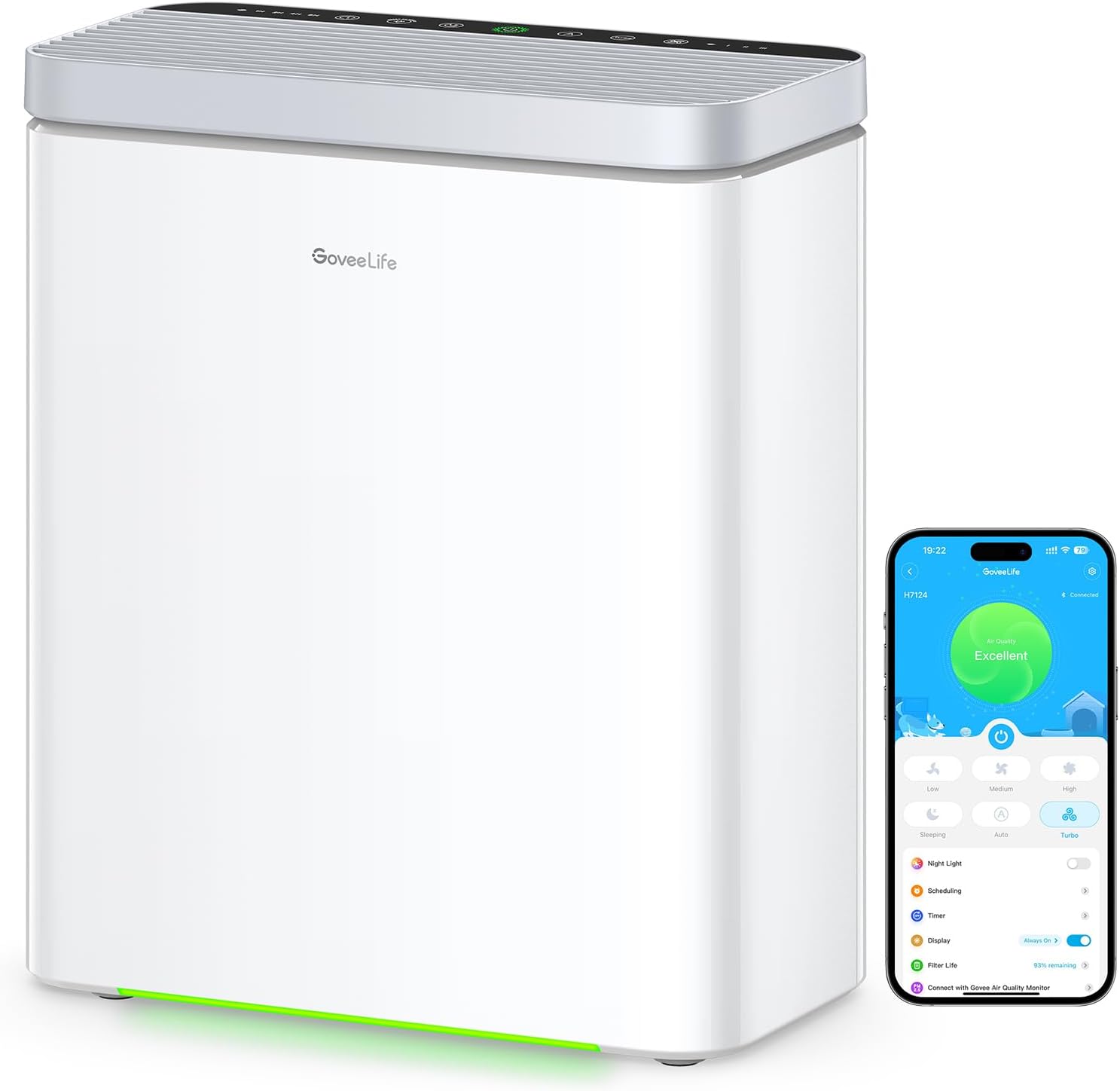
App and Alexa control, along with an automatic sensor mode, let a purifier adjust its own fan speed to the air quality it detects and let you check in from your phone. This is convenience layered on top of the same core HEPA filtration, not a different or better way of cleaning air. A simpler manual model with a physical dial cleans air just as effectively; the smart layer is worth paying for if you will actually use the app, not simply because it is available.
Matching a purifier to your household
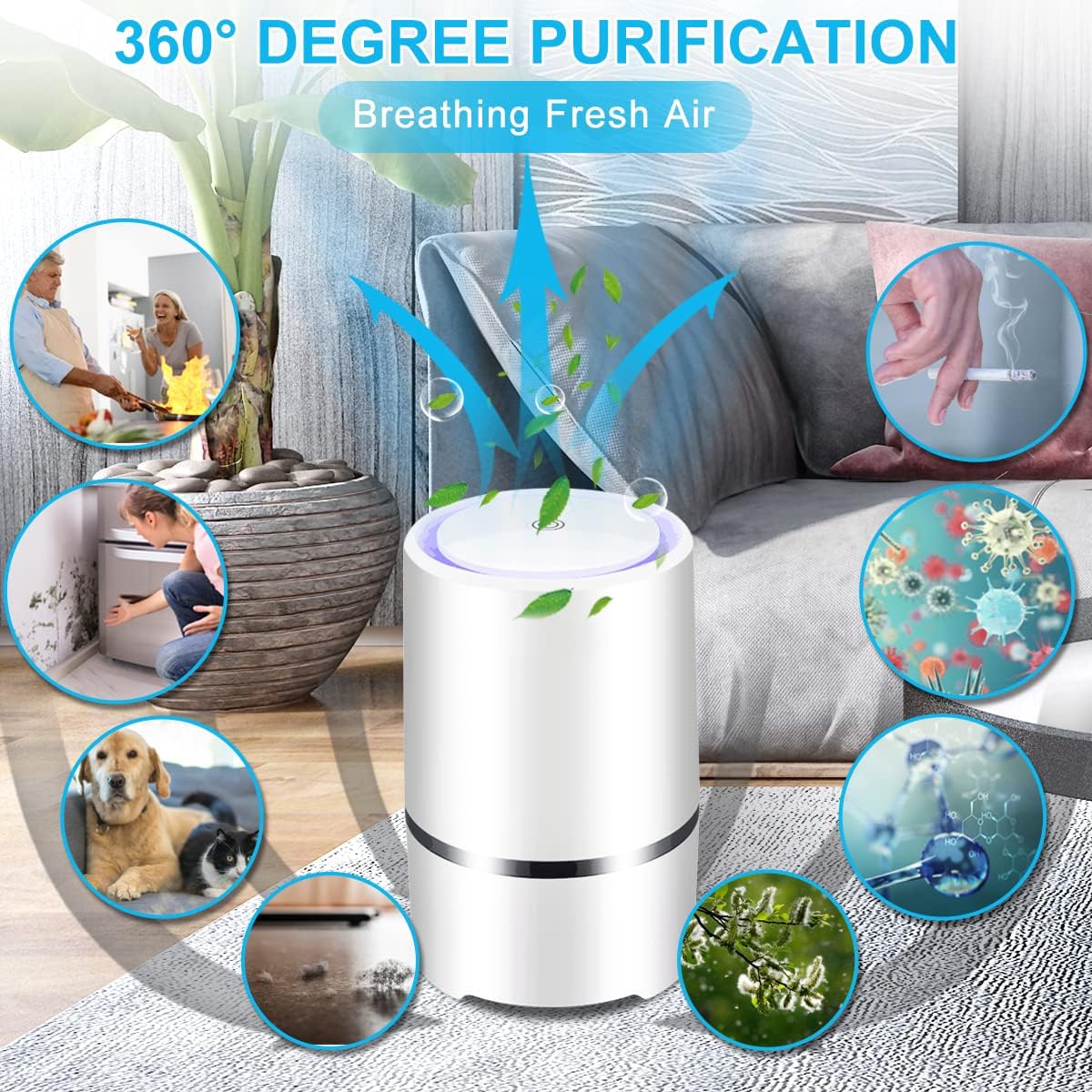
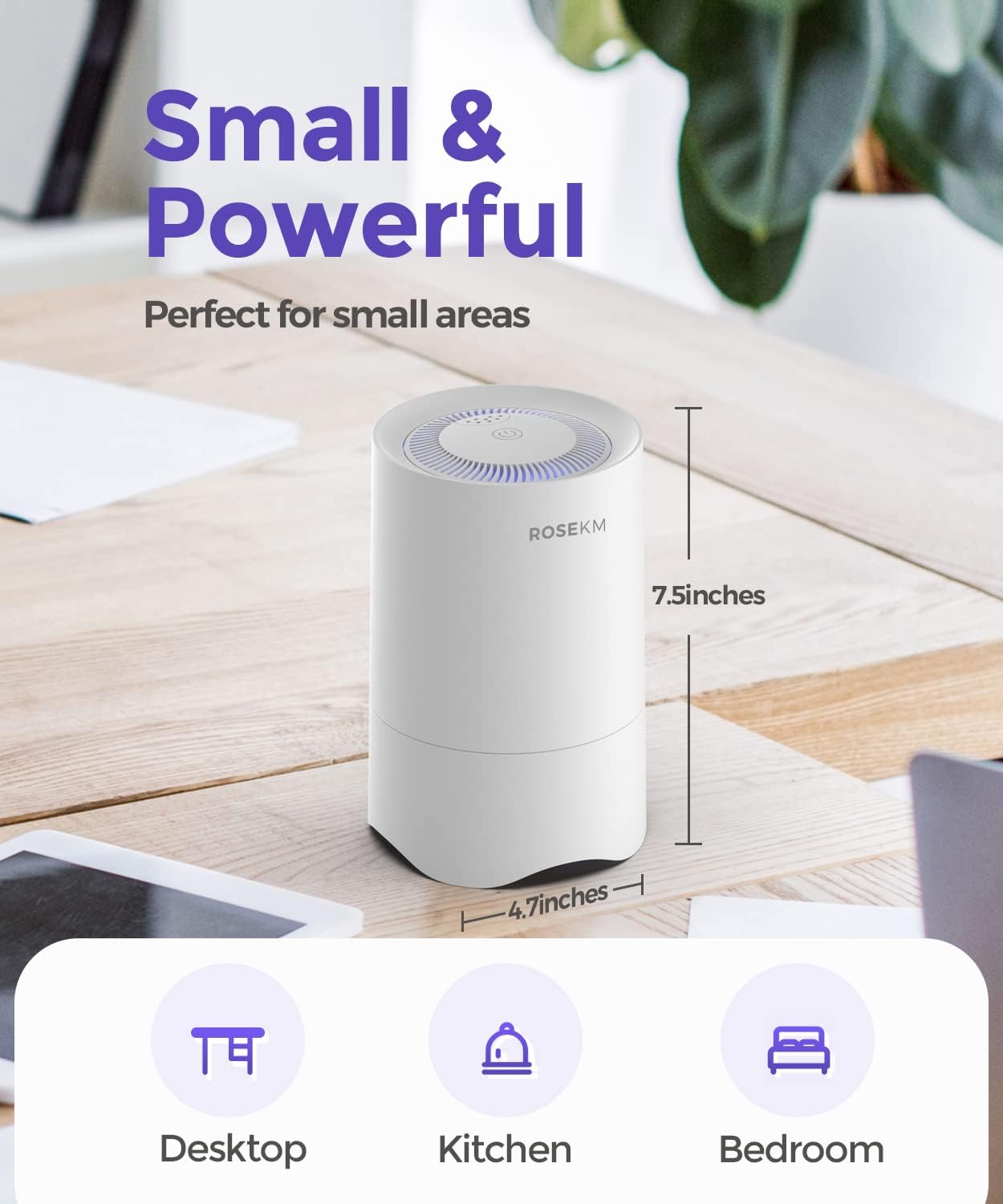
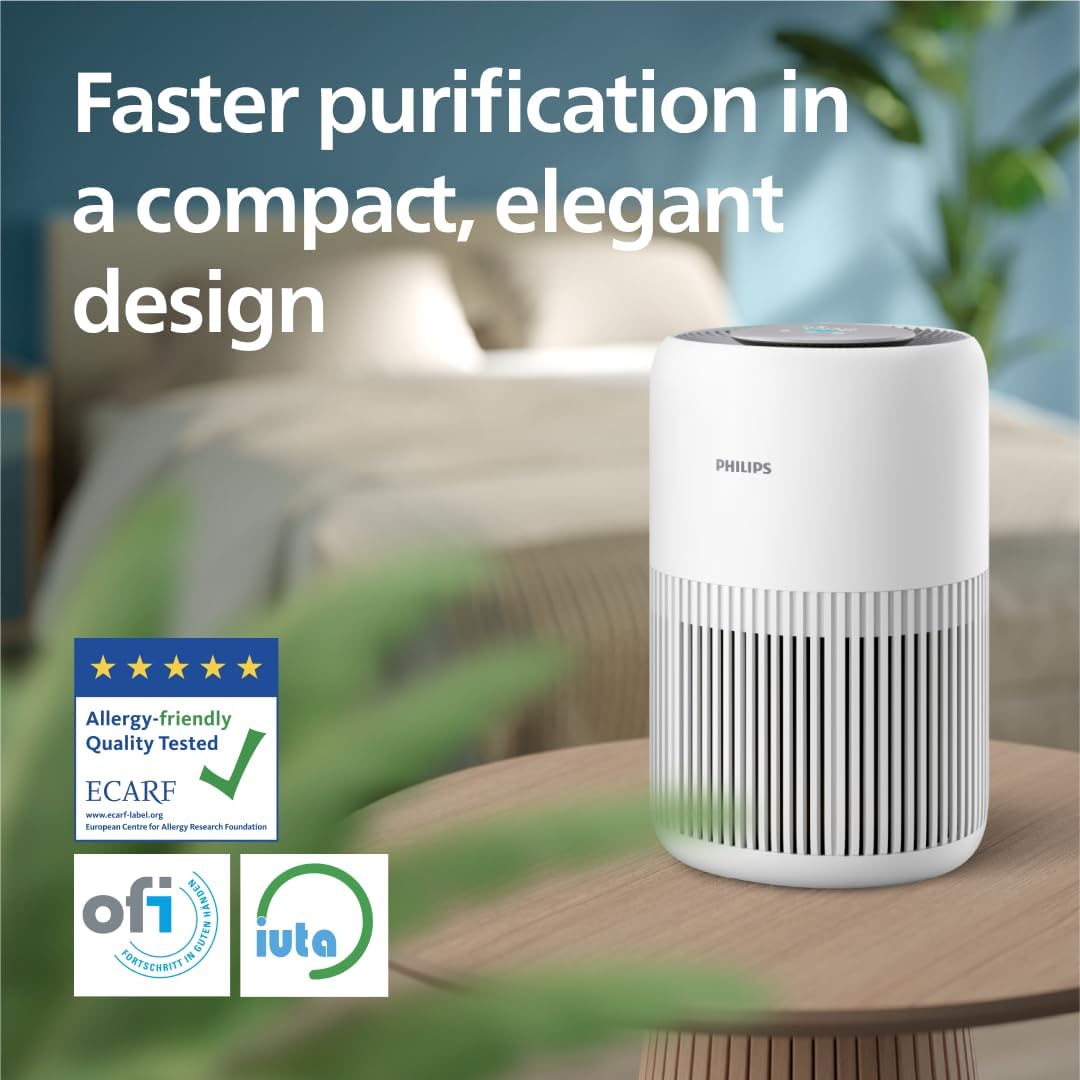
Allergy and pet households benefit most from a HEPA purifier running consistently in the rooms used most, alongside regular vacuuming, since a purifier only captures particles already airborne. Smokers and vapers generally want carbon filtration specifically called out for odour, not only particle removal. Anyone in a small flat or student room usually gets better value from a compact, lower-cost model than an oversized one bought for a room they do not have.